Source Metal Curved Fence for Home, Factory, and Privacy
Explore 30 listings for metal curved fence options suitable for residential, industrial, and privacy applications. Buyers can compare specifications like wire diameter, mesh size, and surface treatments to find the right solution for their needs; compare the available evidence and request quotations based on your requirements.
Key considerations
Products List




Comprehensive Sourcing Guide
Metal Curved Fence Sourcing Guide
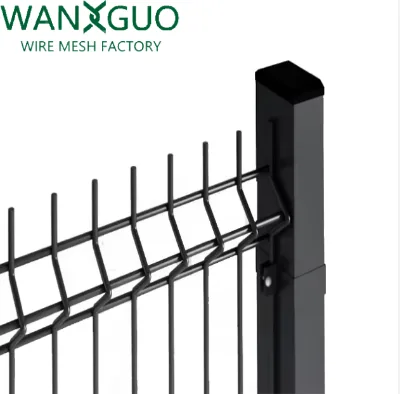
Procuring metal curved fencing requires careful evaluation of structural integrity and aesthetic flexibility, as the market offers diverse configurations ranging from standard panels to custom architectural solutions. Buyers must distinguish between rigid welded frames and flexible woven designs, noting that observed listings include specific models like RT-MLL100 and F3071 which define distinct structural profiles. The curvature capability often depends on the post type and panel width, with available options including quadrate, mushroom, and peach posts that support various installation geometries.
Sourcing decisions should prioritize the intended application environment, whether for residential privacy, factory security, or general barrier needs. The observed product attributes indicate suitability for everyday use across house and factory settings, with features emphasizing easy assembly and eco-friendly materials. Buyers should verify if the specific curved design meets the required height specifications, as observed ranges extend from 1.8 meters to 3 meters, ensuring the selected unit provides adequate security and visual screening for the specific site requirements.
Product Scope and Observed Listing Signals
The current market landscape for metal curved fencing displays a wide variance in material composition, with listings explicitly identifying stainless steel, plastic, and general metal alloys as primary construction elements. This diversity necessitates a clear definition of the required durability and corrosion resistance before engaging with suppliers, as the material choice directly impacts the lifespan and maintenance profile of the installed barrier. Some observed products feature PVC coating or vinyl cladding, while others rely on galvanization or simple spraying, creating distinct performance profiles for different environmental conditions.
Listing signals also reveal significant variation in panel dimensions and weaving techniques, with plain weave and welded techniques both present in the available inventory. Buyers should scrutinize the specific mesh size and wire diameter, as observed specifications range from 3mm to 6mm in diameter and include mesh dimensions like 50x200mm or standard 6x8ft configurations. The availability of customized sizes and colors, including green, black, and grey options, allows for tailored solutions, but the buyer must confirm that the curvature mechanism aligns with the chosen panel width and height parameters.
Technical Specifications to Verify
Technical verification must begin with the frame finishing and surface treatment processes, as these determine the long-term resistance to weathering and physical wear. Observed data indicates a mix of powder-coated, PVC-coated, and galvanized finishes, alongside uncoated options, requiring the buyer to match the treatment to the local climate and exposure levels. The wire diameter is a critical structural metric, with observed ranges spanning 3.5mm to 5mm, and buyers should ensure the selected thickness supports the intended load-bearing requirements without excessive deflection.
Panel dimensions and post configurations are equally critical for ensuring a seamless installation of curved sections. The observed product models support panel widths of 2 to 2.5 meters and heights ranging from 0.63 to 2.03 meters, with specific post types like square, round, or peach pillars available to anchor the structure. Buyers must verify the fold count and rail specifications, such as the 40x40x1.5mm rail dimensions, to ensure the curved sections can be assembled without gaps or structural weakness, particularly when integrating with existing perimeter infrastructure.
Compliance and Safety Documentation
Compliance verification is essential for metal fencing projects, as observed listings frequently cite CE and ISO certifications alongside specific standards like ISOASTM. Buyers should request valid certification documents that confirm the product meets international safety and quality benchmarks, ensuring the materials and manufacturing processes adhere to recognized regulatory frameworks. The presence of these certifications suggests a baseline of quality control, but the buyer must validate that the specific batch or model number corresponds to the issued documentation to avoid discrepancies in compliance status.
Safety documentation should also address the installation process and the structural stability of the finished fence. Observed features highlight easy assembly and sustainable practices, which are beneficial for reducing on-site labor risks and environmental impact. However, buyers must confirm that the installation instructions provided by the manufacturer are comprehensive and that the fence design meets local building codes regarding height, spacing, and load resistance. Verifying these safety aspects ensures the final installation is secure for public or private use without posing hazards to occupants or passersby.
Cost Drivers and Commercial Terms
Cost drivers for metal curved fencing are heavily influenced by the material type, surface treatment complexity, and the degree of customization required. Stainless steel and galvanized options typically command higher prices than coated or plastic variants, while custom sizes and colors add to the overall unit cost. The observed price range of 1.9 to 1885 USD reflects this variability, with buyers needing to balance budget constraints against the need for durability and aesthetic alignment with the project design.
Commercial terms such as Minimum Order Quantity (MOQ) and lead times are significant factors in the procurement strategy, with observed MOQs ranging from 1 to 500 units. Buyers should negotiate clear terms regarding payment schedules, shipping logistics, and packaging standards, as observed listings indicate palletized packing for efficient transport. Understanding the lead time and production capacity of the supplier is crucial for project planning, ensuring that the curved fencing arrives on schedule to avoid delays in the overall construction or landscaping timeline.
Supplier Qualification and Quality Control
Supplier qualification should focus on verifying the business type and manufacturing capabilities, as observed listings identify manufacturers based in Anping, Hebei, China, a known hub for metal fencing production. Buyers must assess the supplier's capacity to deliver consistent quality, particularly regarding the welding techniques and frame finishing processes used in their production lines. The presence of features like 3D modeling and sample models indicates a supplier's willingness to engage in detailed pre-production planning, which is vital for ensuring the final product meets the specific curvature and dimension requirements.
Quality control measures must be established to verify that the delivered products match the agreed-upon specifications and certifications. Buyers should request evidence of quality assurance processes, such as material testing reports or inspection protocols, to confirm that the wire diameter, mesh size, and surface treatments meet the stated standards. The observation of "Great" quality attributes in listings suggests a potential for high standards, but independent verification is necessary to ensure that every unit in the order maintains the structural integrity and finish quality required for long-term performance.
Long-Term Procurement Checks
Long-term procurement checks should prioritize the durability of the surface treatments and the structural stability of the curved sections over time. Buyers must evaluate the warranty terms and the supplier's track record for handling post-installation issues, ensuring that the fence remains secure and aesthetically pleasing despite exposure to the elements. The eco-friendly and sustainable features observed in the product attributes are positive indicators, but the buyer should verify the actual longevity of these materials under specific environmental stressors to prevent premature degradation.
Regular maintenance and inspection protocols should be integrated into the procurement plan to extend the service life of the metal curved fence. Buyers should confirm the availability of replacement parts, such as specific post models or panel sections, to facilitate easy repairs if damage occurs. Establishing a relationship with a supplier who offers ongoing support, including instruction books and 3D sample models for future expansions, ensures that the fencing system can be maintained effectively and adapted to changing site requirements without significant additional costs.
FAQs
What certifications are available for metal curved fences?
Certifications such as ISOASTM and CE are available for metal curved fences. These standards ensure the product meets international quality and safety requirements. Buyers can verify these credentials to confirm compliance with regional regulations. This documentation is essential for large-scale procurement projects requiring verified material standards.
Can metal curved fences be customized for specific projects?
Yes, customization is available for metal curved fences to meet specific project needs. Buyers can request tailored dimensions, colors, and finishes. The manufacturer supports various panel widths and heights. This flexibility allows for precise integration into diverse architectural and security environments.
What materials are used in metal curved fence construction?
Metal curved fences are constructed from materials including metal, stainless steel, and plastic. Stainless steel options offer enhanced durability and corrosion resistance. Plastic variants provide lightweight alternatives. The choice of material depends on the intended application and environmental exposure requirements for the installation site.
What surface treatments are applied to metal curved fences?
Surface treatments include powder coating, PVC coating, spraying, and galvanizing. These processes protect the metal from corrosion and weathering. Powder coating and PVC finishes provide aesthetic color options like green or black. Galvanizing offers robust protection for outdoor installations requiring long-term structural integrity.
What are the standard specifications for metal curved fence panels?
Standard specifications include wire diameters ranging from 3.5mm to 6mm. Panel sizes vary, with common dimensions like 2.4 by 2.1 meters. Mesh sizes and post models such as square or mushroom posts are available. These specifications ensure structural stability and compatibility with standard installation hardware for secure fencing.
Where are metal curved fences typically manufactured?
Metal curved fences are typically manufactured in China, specifically in Anping, Hebei. This region is known for its extensive fencing industry and supply chain. Buyers sourcing from this location benefit from established manufacturing capabilities and competitive pricing structures for bulk orders.